

Buying your first home is a major milestone, but it’s also a process filled with decisions that can have long-term consequences. Many first-time buyers enter the market with excitement, only to discover that small oversights can lead to costly outcomes.
Understanding common first home buying mistakes can help you move forward with more clarity and fewer surprises.
Underestimating the True Cost of Homeownership
One of the most common mistakes is focusing only on the purchase price while overlooking the full cost of owning a home.

Beyond the mortgage payment, additional costs often include:
- Property taxes
- Homeowners insurance
- Maintenance and repairs
- Utilities and association fees
These expenses can significantly increase your monthly financial commitment.
Skipping Mortgage Pre Approval
Some buyers start house hunting before securing mortgage pre approval. This can create uncertainty and limit your negotiating power.
Pre approval helps you:
- Understand your budget range
- Show sellers you’re a serious buyer
- Avoid delays during the offer process
Without it, you risk falling in love with a home that may be outside your financial reach.
Comparing Loan Options Too Narrowly
Many first-time buyers choose the first loan offer they receive without exploring alternatives.
| Factor | Single Lender Approach | Multiple Lender Comparison |
|---|---|---|
| Rate Awareness | Limited | Broader perspective |
| Fee Transparency | Lower | Higher |
| Loan Flexibility | Restricted | More options |
| Negotiation Power | Minimal | Stronger |
| Long-Term Cost Impact | Potentially higher | Potentially lower |
Comparing multiple lenders can reveal differences in rates, fees, and loan structures.
Pro Insight
The most expensive mistake isn’t always choosing the wrong home—it’s choosing a home that stretches your budget too thin. Financial flexibility matters more than maximizing purchase price.
Ignoring Location Trade Offs
It’s easy to focus on the house itself and overlook the importance of location.
Factors to consider include:
- Commute times
- School districts
- Neighborhood development
- Access to services
A home can change, but its location cannot. This makes location one of the most critical long-term considerations.
Letting Emotions Drive Decisions
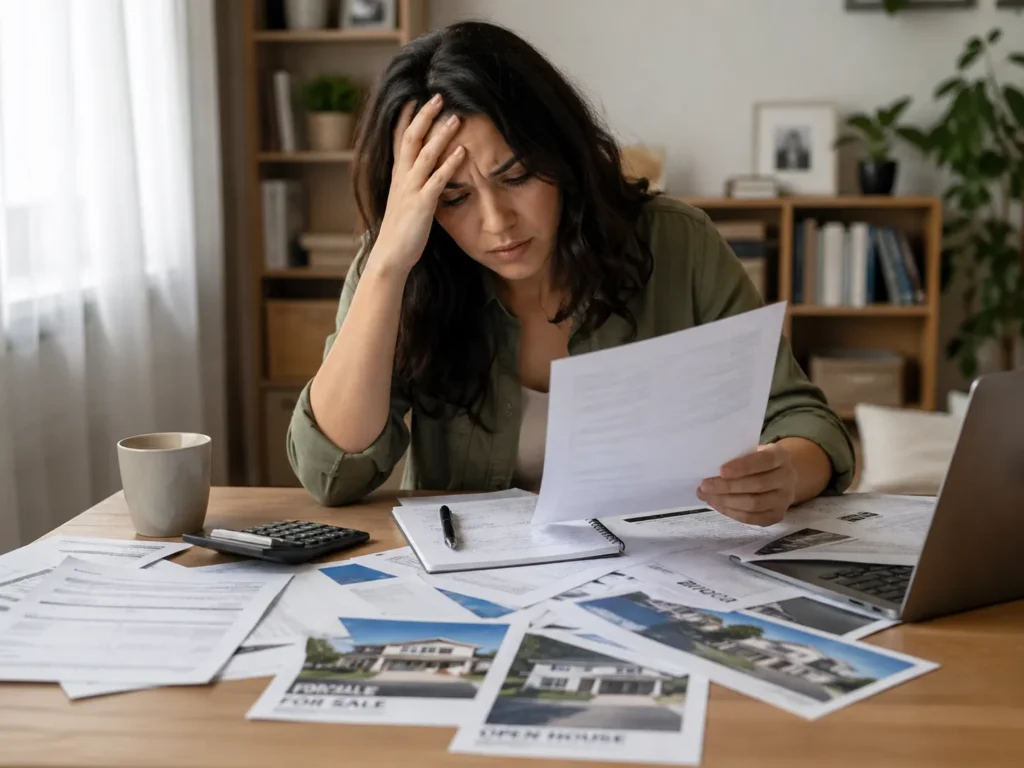
Buying a home is both a financial and emotional decision. However, letting emotions take over can lead to rushed choices.
Common emotional pitfalls:
- Overbidding in competitive markets
- Ignoring red flags during inspections
- Settling for features that don’t match long-term needs
Staying grounded helps maintain balance between excitement and practicality.
Quick Tip
Create a clear list of non-negotiables before starting your search. This helps you stay focused and avoid decisions driven purely by emotion.
Overlooking the Home Inspection
Skipping or rushing the inspection process can lead to unexpected repair costs after purchase.
A thorough inspection can uncover:
- Structural issues
- Plumbing or electrical problems
- Roof or foundation concerns
While it may seem like a step to speed up, skipping it often increases risk.
Not Planning for Future Needs
First-time buyers sometimes focus only on current needs without considering future changes.
Think about:
- Potential family growth
- Career changes
- Long-term affordability
A home that fits today may not suit tomorrow.
Underestimating Closing Costs
Closing costs are often overlooked until late in the process. These can include:
- Loan origination fees
- Appraisal and inspection costs
- Title and legal fees
These expenses can add up quickly, typically ranging from 2% to 5% of the home price.

Frequently Asked Questions
What is the biggest mistake first time home buyers make
Underestimating the total cost of homeownership is one of the most common and impactful mistakes.
How can I avoid overpaying for a home
Set a firm budget, compare similar properties, and avoid emotional bidding in competitive situations.
Do I really need a home inspection
Yes, inspections help identify potential issues before purchase and can prevent costly surprises.
How much should I budget for closing costs
Closing costs typically range between 2% and 5% of the home’s purchase price.
Is pre approval necessary before house hunting
While not always required, it is highly recommended to understand your budget and strengthen your position as a buyer.
Conclusion
Avoiding common first home buying mistakes can make the entire process smoother and more financially sustainable. From understanding total costs to managing emotions and planning ahead, each step plays a role in making a confident decision.
Taking the time to prepare and evaluate your options carefully can help turn your first home purchase into a positive long-term investment.
https://www.consumerfinance.gov
https://www.hud.gov
https://www.usa.gov/housing-help
https://www.fhfa.gov
This article is for general informational purposes only and does not provide legal, financial, medical, or professional advice. Policies, rates, and regulations may change over time.
About the Author